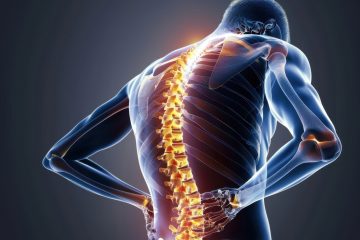
A car accident can leave you sore, stiff, and unsure about what to do next. For many people, the first instinct is simply to rest for a few days and see what happens.
Sometimes symptoms improve on their own. But if neck pain, back pain, headaches, stiffness, reduced movement, numbness, tingling, or other symptoms develop after a collision, rest alone may not address the underlying musculoskeletal problem.
At Pro Health & Rehab, our auto accident chiropractic care in Marietta begins with an evaluation to determine what may be contributing to your symptoms and whether chiropractic care, rehabilitation, another conservative treatment, or referral is appropriate.
Why Symptoms Can Appear After the Accident
Not everyone feels pain immediately after a collision. Some people notice soreness or stiffness at the scene, while others begin noticing symptoms later that day or during the following days.
After an accident, you may also be focused on the vehicles, police, insurance information, getting home, and making sure everyone else is okay. Mild symptoms can be easy to overlook until you return to normal activities such as driving, working, exercising, or sleeping.
Possible musculoskeletal symptoms after a crash can include:
- Neck pain or stiffness
- Back pain
- Headaches
- Shoulder or upper-back discomfort
- Muscle tension or spasms
- Reduced range of motion
- Numbness, tingling, or pain traveling into an arm or leg
The timing and severity of symptoms vary from person to person. Feeling relatively well immediately after a crash does not guarantee that symptoms will not develop later, but it also does not mean that everyone involved in a collision needs treatment.
What About Whiplash?
Whiplash is one possible injury after a motor vehicle accident. It commonly involves rapid movement of the neck and can be associated with neck pain, stiffness, headaches, shoulder discomfort, and reduced range of motion.
However, not every case of post-accident neck pain is the same. The direction of impact, body position, previous injuries, medical history, and other factors can all affect how someone responds to a collision.
That is why an examination should focus on your individual symptoms and findings rather than automatically assuming that every accident caused the same type of injury.
Rest Can Help, But It Is Not Always the Whole Answer
Reducing or modifying activity can be appropriate when something hurts after an accident. Your body may need time to recover, and pushing through significant pain is not necessarily helpful.
At the same time, prolonged inactivity is not automatically the best treatment for every musculoskeletal injury. Persistent pain or loss of movement may need a professional evaluation to determine whether rehabilitation, gradual movement, chiropractic care, imaging, another form of treatment, or referral is appropriate.
The goal is not to avoid rest. It is to make sure that a problem that continues to interfere with normal movement and daily activities is properly evaluated rather than simply ignored.
When You Should Seek Emergency Medical Care
Some symptoms after a collision require emergency medical attention rather than chiropractic care.
Call 911 or seek emergency evaluation if you or someone else experiences loss of consciousness, a severe or worsening headache, repeated vomiting, seizures, increasing confusion, slurred speech, unusual behavior, weakness, numbness, or other symptoms that could indicate a serious injury.
Chiropractic care is not a substitute for emergency medicine. Once urgent conditions have been addressed, ongoing musculoskeletal symptoms can be evaluated to determine the appropriate next step.
Why an Evaluation Can Be Useful When Symptoms Persist
If pain or stiffness is not improving, an evaluation can help determine what may be contributing to the problem.
At Pro Health & Rehab, we review how the collision occurred, when your symptoms began, previous injuries or medical conditions, care you have already received, and how the problem is affecting activities such as work, sleep, driving, lifting, and exercise.
Your chiropractor may evaluate movement, range of motion, tenderness, strength, posture, reflexes, or other findings that are relevant to your complaint.
Not every accident patient needs X-rays, MRI, or other imaging. When symptoms or examination findings indicate that additional testing or another medical evaluation may be appropriate, the chiropractor can recommend the next step.
How Chiropractic and Rehabilitation May Fit Into Recovery
When chiropractic care is appropriate, treatment should be individualized rather than based on a standard accident package.
A care plan may include chiropractic adjustments or mobilization, therapeutic exercise, rehabilitation, massage or soft-tissue techniques, and other conservative approaches based on your examination and response to treatment.
Some patients may also be candidates for spinal decompression therapy when selected disc-related neck or back complaints are present.
HealWave shockwave therapy may be considered for certain musculoskeletal or soft-tissue conditions, although it is not appropriate for every accident injury.
The objective is to match the treatment to the problem, monitor your progress, and recommend additional care or referral when necessary.
What If Your Pain Is Changing How You Move?
When something hurts, it is natural to change how you move. You might turn your entire upper body instead of your neck, favor one side while sitting, avoid bending, or stop doing activities that aggravate the area.
Short-term adjustments like these may be understandable, but continuing pain or reduced movement deserves attention when it begins interfering with normal life.
An evaluation can help determine whether movement can be restored gradually through rehabilitation and conservative treatment or whether another type of medical care is needed.
Documentation and Auto Accident Claims
Accident-related healthcare can involve additional paperwork, including insurance information, claim numbers, previous medical records, imaging reports, and communication with an attorney or claims representative.
Pro Health & Rehab documents the care provided and, with your authorization, can respond to appropriate requests for treatment records.
For qualifying auto accident and personal injury cases, care may be available without upfront payment, with payment handled when the claim or case is resolved. Eligibility and payment arrangements are reviewed individually.
Pro Health & Rehab does not provide legal advice and does not guarantee insurance coverage, payment, settlement, lien eligibility, or the outcome of any claim.
When Should You Seek Help After an Accident?
If you remain symptom-free and have no medical concerns after a minor accident, chiropractic treatment may not be necessary.
However, contact a healthcare professional if you develop neck pain, back pain, headaches, stiffness, numbness, tingling, reduced movement, or other symptoms following the collision.
You should also consider an evaluation when symptoms are worsening instead of improving or are beginning to interfere with sleep, work, driving, exercise, or other normal activities.
If your accident happened several days or even weeks ago, it is not necessarily too late to be evaluated. Be prepared to explain when the collision occurred, when symptoms began, how they have changed, and what treatment you have already received.
Rest Is Part of Recovery, Not a Diagnosis
Resting after an accident is not inherently a bad idea. The problem is relying on rest alone when pain, stiffness, or movement problems continue without understanding why.
If symptoms develop after a collision, getting an appropriate evaluation can help determine whether you simply need more time, would benefit from conservative treatment or rehabilitation, or need another type of medical care.
Pro Health & Rehab is located at 2453 Powder Springs Road, Suite 210, Marietta, GA 30064, convenient to patients throughout West Marietta, Powder Springs, and West Cobb.
Still experiencing pain or stiffness after a car accident? Learn more about our auto accident and whiplash care in Marietta, call (770) 439-9355, or request an appointment online.