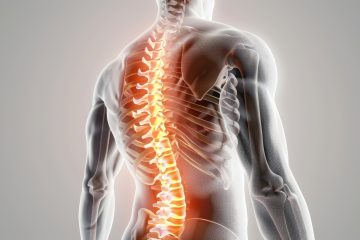
Pain has a way of surprising us. A sore shoulder appears out of nowhere. A nagging back ache shows up years after an old injury. Headaches begin even though nothing seems wrong with your head or neck. For many people, pain feels random. But more often than not, it is not random at all.
One of the most common misunderstandings about pain is the belief that it always shows up where the problem started. In reality, pain often appears far away from its original source. Injuries can change how the body moves, balances itself, and protects vulnerable areas. Over time, those changes create stress in new places, and that is where pain finally makes itself known.
Understanding how pain travels through the body can completely change how people approach care, recovery, and long term health.
Pain Is Rarely Isolated
When pain appears, most people focus on the exact spot that hurts. If your lower back aches, that must be the problem. If your shoulder is sore, something must be wrong with your shoulder. While that seems logical, it often misses the bigger picture.
The body is incredibly good at adapting. When an area is injured or restricted, the body finds ways to keep you moving. You might shift your weight slightly when you walk. You might favor one side when standing. You may even change how you sit, reach, or sleep without realizing it. These small adjustments allow you to function, but they also place extra stress on other joints and muscles.
Pain is often the result of these compensations rather than the original injury itself.
The Body’s Priority Is Movement
The body’s main goal after an injury is simple: keep you moving. Movement is essential for survival, circulation, and daily life. So when something is injured, the body protects that area by redistributing the workload.
At first, this is helpful. It reduces strain on injured tissues and allows healing to begin. The problem arises when these protective patterns stick around long after the injury has healed. What started as a short term adaptation becomes the body’s new normal.
Over time, muscles that work harder than they should become tight and fatigued. Joints that move more than intended wear down faster. Areas that should be sharing the workload end up overloaded, and that is when pain begins to appear somewhere else entirely.
The Body Is a Connected System
It helps to think of the body as a chain rather than a collection of independent parts. Every joint and muscle is linked to the next. When one link in that chain does not move properly, the links above and below it are affected.
For example, limited movement in the ankle can change how the knee moves. That change can alter hip function, which then impacts the lower back. The back may be where pain finally shows up, but the original issue may be much lower in the body.
This connected system is often referred to as the kinetic chain. While the term sounds technical, the idea is simple. The body relies on coordinated movement. When coordination breaks down, stress spreads.
How Injuries Travel Over Time
Pain rarely moves all at once. It tends to follow a predictable pattern.
Phase One: The Initial Injury
This is the moment people remember. A fall, an accident, a strain, or even repeated poor posture. There may be pain, swelling, stiffness, or limited movement. During this phase, the body is clearly signaling that something is wrong.
Phase Two: Compensation Becomes Normal
As the body heals, it adapts. You may move differently without noticing. Range of motion may never fully return. Certain muscles take over for others. Pain may fade, giving the impression that everything is fine.
But underneath the surface, movement patterns have changed.
Phase Three: Secondary Pain Appears
Months or even years later, pain shows up in a new location. The neck becomes stiff. The shoulder aches. The hip feels tight. Headaches begin. These symptoms feel disconnected from the original injury, which is why people are often confused by them.
In reality, the body has been compensating for a long time. The new pain is simply the point where the system can no longer keep up.
Real World Examples People Recognize
An old ankle injury is a classic example. If the ankle never regained full mobility, walking mechanics change. The foot may not roll properly, forcing the knee and hip to absorb extra stress. Over time, the lower back may begin to ache, even though it was never injured directly.
Whiplash injuries provide another common scenario. Even when neck pain fades, subtle instability or muscle tension can remain. This can lead to chronic headaches, shoulder tightness, or upper back discomfort long after the accident.
Desk posture offers a more gradual example. Sitting for long hours with the head forward and shoulders rounded places constant strain on the neck and upper back. Over time, the lower back and hips may become involved as the body struggles to maintain balance and alignment.
Why Pain Can Appear Long After an Injury
The body is remarkably resilient. It can compensate for dysfunction for a long time. But compensation is not the same as correction.
As muscles fatigue and joints wear unevenly, the body eventually reaches a tipping point. Pain appears not because the body suddenly broke, but because it has been working overtime for too long.
This also explains why imaging does not always provide clear answers. X rays and scans may not show significant damage, yet pain persists. In many cases, the problem is functional rather than structural. Movement patterns, joint restrictions, and muscle imbalances do not always show up on imaging, but they can have a powerful impact on how the body feels.
Why Rest Alone Is Often Not Enough
Rest is important, especially after an acute injury. It reduces inflammation and allows tissues to heal. However, rest does not restore movement patterns.
Many people feel better after resting, only to experience recurring pain weeks or months later. This cycle continues because the underlying mechanical issues were never addressed.
Without restoring proper movement, the body continues to rely on compensation. Over time, those compensations lead to chronic pain and reduced function.
How Chiropractic and Rehab Address Traveling Pain
Addressing pain that has traveled requires looking beyond the symptom.
Chiropractic care focuses on restoring proper joint movement and alignment, particularly in the spine. When joints move as they should, stress is distributed more evenly throughout the body.
Rehabilitation adds another important layer. Strengthening, stabilizing, and retraining movement patterns helps the body relearn how to move efficiently. This reduces reliance on compensations and supports long term improvement.
The nervous system also plays a key role. The spine protects the nervous system, which controls movement, balance, and pain perception. Supporting spinal health helps improve communication between the brain and the rest of the body, allowing the system to function more smoothly.
The Role of Non Invasive Therapies
Non invasive therapies can further support recovery by improving circulation, reducing chronic inflammation, and promoting tissue healing. When used alongside chiropractic care and rehabilitation, these therapies help the body repair itself more effectively.
Rather than masking symptoms, the goal is to support the body’s natural healing processes and address the underlying causes of pain.
Signs Your Pain May Be Coming From Somewhere Else
Certain patterns suggest that pain may not be originating where it hurts.
Pain that shifts locations over time is a common sign. Recurring pain that returns despite rest is another. Stiffness that seems unrelated to activity or pain that worsens during everyday movement can also point to underlying compensation.
When pain appears long after an injury or develops without a clear cause, it is often worth looking at the body as a whole rather than focusing on a single area.
Why Early Attention Matters
The earlier compensations are addressed, the easier they are to correct. Over time, patterns become more ingrained, making recovery more complex.
This is not just relevant for athletes or people recovering from major injuries. Everyday activities place demands on the body. Small imbalances add up, especially when left unaddressed.
Paying attention to how the body moves and responds can help prevent minor issues from becoming long term problems.
Pain Is Information, Not Just a Problem
Pain is the body’s way of communicating. It is not always a sign of damage, but it is always a message worth listening to.
When pain appears in unexpected places, it is often pointing to a deeper issue in how the body moves and adapts. By understanding how injuries travel through the body over time, people can take a more informed approach to their health.
Looking beyond symptoms and focusing on long term function allows the body to move better, feel better, and stay resilient for years to come.